
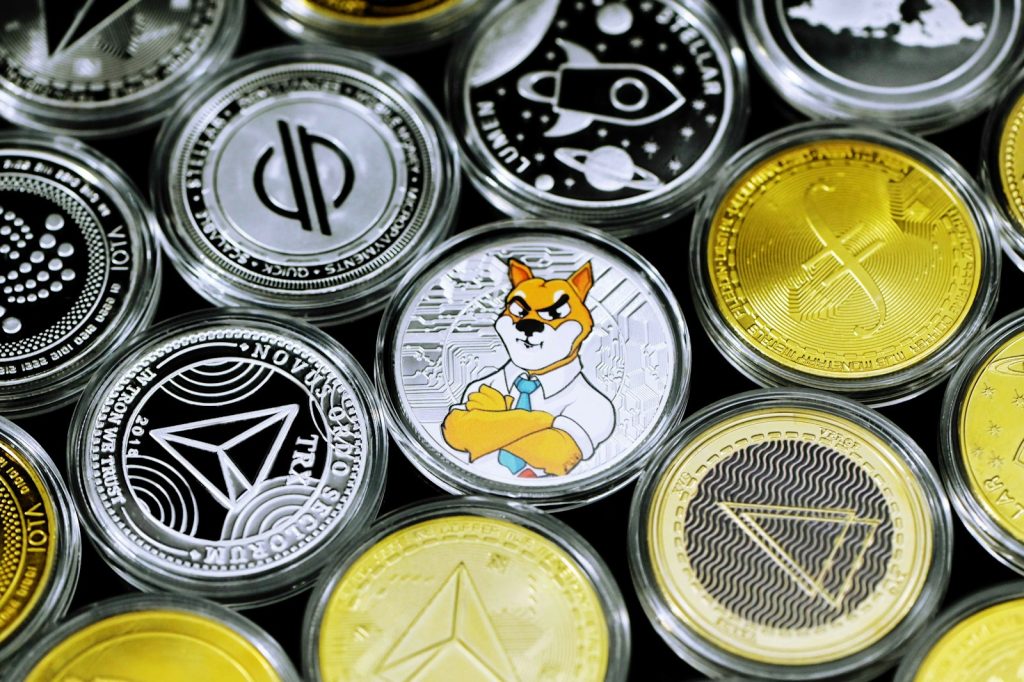
In the evolving landscape of digital finance, cryptocurrency has emerged as a transformative force, reshaping traditional ideas of money, investment, and decentralized networks. While Bitcoin remains the most recognized name in the space, a broad and diverse array of alternative cryptocurrencies—commonly known as altcoins—have gained significant traction. These altcoins are more than just alternatives to Bitcoin; they represent a dynamic and innovative sector that could define the next chapter of global finance.
What Are Altcoins?
Altcoins, short for “alternative coins,” refer to any cryptocurrency other than Bitcoin. This category includes well-known digital currencies like Ethereum, Solana, Cardano, and Avalanche, as well as thousands of other projects with unique use cases. Some altcoins aim to improve upon Bitcoin’s shortcomings, such as scalability and energy consumption, while others offer specialized functionalities like smart contracts, decentralized finance (DeFi), and non-fungible tokens (NFTs).
The Importance of Altcoins
Innovation and Technological Advancement
Altcoins are at the forefront of blockchain innovation. Ethereum introduced the concept of smart contracts, enabling decentralized applications (dApps) that run without central oversight. Projects like Chainlink provide decentralized oracles, and platforms such as Polkadot aim to improve interoperability between different blockchains. This diversity of technological experiments drives the entire industry forward.
Decentralization and Financial Inclusion
Altcoins contribute to financial decentralization by offering users a choice beyond Bitcoin. In many developing regions where traditional banking systems are limited or unstable, altcoins can provide secure, transparent, and efficient financial services. Stablecoins, a subclass of altcoins pegged to fiat currencies, are particularly useful for reducing volatility while enabling fast and low-cost transactions.
Enhanced Use Cases
Many altcoins are purpose-built to solve specific problems. For instance:
- Monero and Zcash focus on privacy and anonymity.
- Ripple (XRP) targets cross-border payments and banking integrations.
- Filecoin and Arweave provide decentralized data storage.
These specialized roles underscore the broader utility of altcoins beyond mere digital money.
Investment Diversification
From an investment perspective, altcoins offer opportunities for diversification. While they can be riskier and more volatile than Bitcoin, they often present higher growth potential, especially when tied to emerging technologies or strong development teams.
The Future of Altcoins in the Global Market
Integration with Traditional Finance
As traditional institutions increasingly embrace blockchain technology, altcoins will play a significant role in the merging of crypto and traditional finance. Central banks are exploring digital currencies (CBDCs), and some financial institutions are offering crypto-based investment products, signaling a broader acceptance that may benefit established altcoin projects.
Regulatory Clarity and Compliance
Regulatory frameworks are being developed worldwide to bring order and legitimacy to the crypto industry. While regulation may create hurdles for some altcoins, it is likely to benefit the ecosystem in the long run by fostering investor confidence and enabling institutional participation.
Expanding Real-World Applications
The utility of altcoins is expected to expand significantly as blockchain applications mature. This includes:
- Tokenized assets (real estate, art, stocks)
- Supply chain transparency
- Digital identity verification
- Gaming and metaverse economies
Projects that demonstrate real-world utility and sustainable economic models are likely to dominate the altcoin space in the future.
Scalability and Eco-Friendly Solutions
Scalability and energy efficiency remain top priorities. Next-generation altcoins using proof-of-stake (PoS) or alternative consensus mechanisms are addressing concerns about environmental sustainability. Ethereum’s transition to PoS via its “Merge” upgrade is a key example, and other platforms are following suit.
 Bitcoin
  Ethereum
  Tether
  BNB
BNB  XRP
XRP  USDC
USDC  Solana
  TRON
TRON  Figure Heloc
  Zcash
Zcash